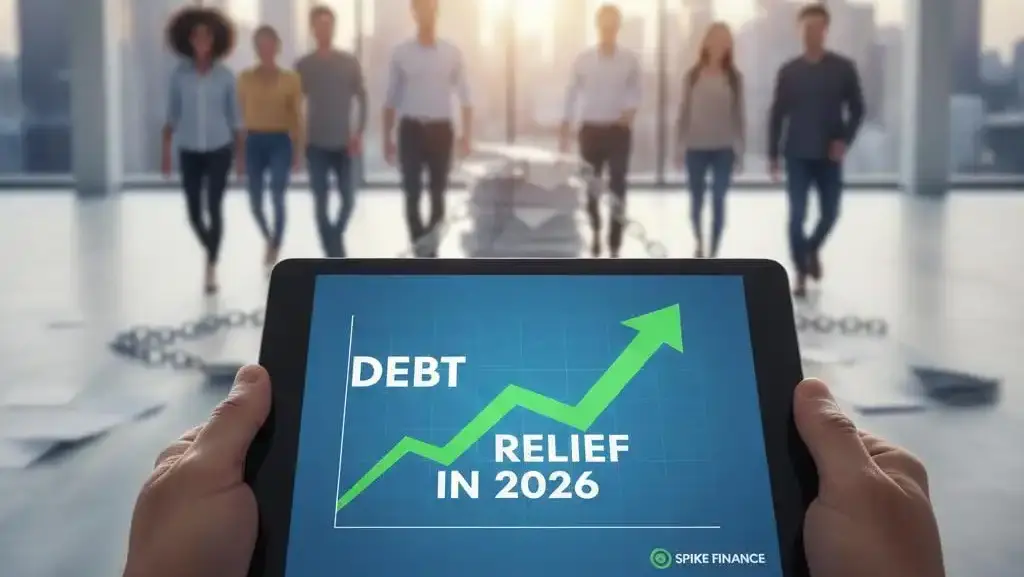
Finding the right Debt Relief 2026 strategies is essential for anyone looking to secure their financial future. Let’s face it—living with debt can feel like you’re dragging yourself through mud. Each step is tiring, and it’s easy to feel overwhelmed. If you’re reading this in 2026, you’re probably aware that the financial world isn’t what it used to be. Inflation and changing interest rates have made debt feel like a bigger burden than before.
But here’s some cheer: getting out of debt isn’t about your income. It’s about thinking smart about the money you already have. In this guide, we’ll show you how to take apart your debt, bit by bit, so you can finally relax.
1. Facing the Numbers: The “Audit” Phase
Most people struggle with debt because they avoid facing the total amount. They make minimum payments, hoping things will improve. But in today’s world, relying on luck isn’t a great plan when solid info is easy to find.
Start by creating a Debt Map. List each creditor, the total you owe, and, most importantly, the APR. Credit card companies have really increased APRs recently. If you’re not aware of your rates, it’s like fighting a battle blindfolded.
2. The Psychology of Debt: Snowball vs. Avalanche
There is a massive debate in the finance world about which method is better. As an expert, I tell my clients that it depends on your personality. Debt Relief 2026
-
The Debt Snowball Method: Knock out your smallest balance first, no matter the interest rate. Once that debt is paid, roll what you were paying on it into the payment on your next smallest debt. This gives you some early wins. If you need a little motivation to stick with it, this method could be for you.
-
The Debt Avalanche Method: Put any extra money toward the debt with the highest interest rate. This is the smartest thing to do from a numbers point of view, because it saves you the most money on interest in the long run. If you’re disciplined and want to save as much as possible, go with this plan.
3. Debt Consolidation: A Key Debt Relief 2026 Strategy: Is it Right for You?
You’re going to hear the word consolidation a lot this year. Basically, it’s about getting a big loan with a lower interest rate to pay off all those smaller debts that are costing you more.
The Benefit: Instead of juggling five due dates and dealing with multiple high APRs, you’ll just have one simple monthly payment.
The Risk: A lot of people combine their debts but keep spending. If you pay off your credit cards with a loan only to start racking up charges on those cards again, you’re just making things worse for yourself. Think of debt consolidation as a way to get out of a hole, not a way of life.
4. Negotiating with Creditors (The Step Most People Skip)
Did you know you can chat with your bank? Banks in 2026 are more willing to work with you than you may think. Banks would rather get a lower interest rate from you instead of you defaulting on the loan. Debt Relief 2026
Give them a call and ask for a Hardship Program or a Rate Reduction. If you have a history of making on-time payments, use that to your advantage. Just lowering your interest rate a bit can save you big money over the life of the debt.
5. The “Cash-Only” Pivot
You can’t stop a fire if you keep adding fuel to it. When you’re trying to get out of debt, stop using credit cards. Use a debit card or cash instead. It might sting to see the money go right away, but that feeling will train you to spend less.
6. When to Seek Professional Help
If your debt-to-income ratio is above 50%, or you’re using payday loans to pay credit card interest, it might be time to seek professional advice. Debt relief programs and credit counseling can offer a structured, legal way to settle or adjust your debt, which can be difficult to manage alone. Debt Relief 2026
Frequently Asked Questions (FAQ) About Debt Relief in 2026
1. Will debt relief programs hurt my credit score? Yes, at first. Most debt settlement programs ask that you stop paying your creditors directly, which might cause your credit score to drop for a bit. But, once your debts are settled and noted as paid, your debt-to-income ratio gets better, which helps your score bounce back quicker than if you were in debt for years. Debt Relief 2026
2. How do I know if I qualify for a Debt Consolidation Loan? In 2026, when you apply for a loan, lenders will mainly check three things: your income stability, your debt compared to your income (generally, you’ll need less than 45%), and a credit score that’s usually over 600. If your credit score is lower than that, you might still be able to get help from specific programs instead of a regular loan.
3. What is the difference between Debt Management and Debt Settlement? With debt management, a counselor works to lower your interest rates, but you still pay back the entire original debt. On the other hand, debt settlement is when you try to pay a smaller, one-time amount instead of the full debt you owe.
4. Can I negotiate with credit card companies on my own? Yes, you can. Try calling your bank’s hardship department to ask for a lower interest rate. Keep in mind that debt specialists often have connections with these banks and might be able to get better terms than you could on your own.
5. Is 2026 a good year to settle my debts? Because the economy is changing so much, many lenders would rather get part of what they’re owed now instead of risking you declaring bankruptcy. If you can start a payment plan, it’s often better to do it now before rates go up even more.
Conclusion: Your Journey to Financial Freedom Starts Today
Getting out of debt in 2026 is about more than just balancing your accounts—it’s about getting your peace of mind and securing your future. Whether you prefer the Snowball method for a quick win or the Avalanche method for the fastest payoff, the key is to start now. Don’t let interest rates control you; take charge of your money. Financial independence takes time, but with a solid plan, each step gets you closer to the life you want.