
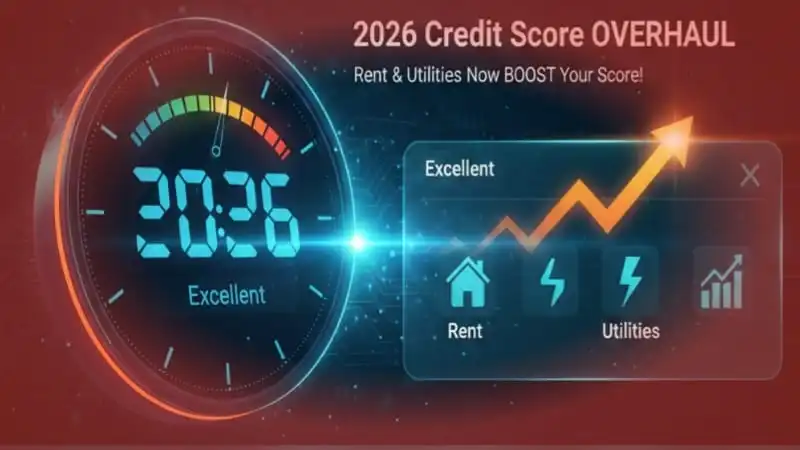
2026 Credit Score Rules, For those in the US looking to buy a house or car this year, the credit scoring game has changed. Fannie Mae and Freddie Mac are now using VantageScore 4.0 and FICO 10T. This change means banks will look at your creditworthiness differently. Now, things like your rent and utility payments over the past two years can help boost your score, even if you don’t have a long credit card history.
The Big Shift: What is Trended Data?
For a long time, credit scores were like snapshots, only showing your debt at a single point. So, if you paid off a big chunk of your card yesterday, it could take a month to show up.
But the 2026 models (FICO 10T and VantageScore 4.0) are different. They look at how you handle debt over time. Are you paying it down bit by bit, or just making minimum payments? Do you pay your rent on time? If you’ve been doing the right thing for the last couple of years, these new scores will give you a better rating than the old FICO 8.
Why 2026 is the Year of the “Rent Reporter” (2026 Credit Score Rules)
Paying $2,000 in rent each month used to feel like a waste because it didn’t help your credit score. But things are changing with the 2026 guidelines, which make Alternative Data important.
Now, lenders can check your bank account cash flow and see that you consistently pay rent and bills like Verizon or AT&T on time. For many Americans with limited credit, this could quickly raise their scores by 20 to 50 points. This is especially useful if you’re already working on your credit history with tools like Credit Builder Loans.
Expert Opinion: Is This Good for the Average Joe?
I spoke with some financial analysts to understand the real-world impact of this. The general feeling is that it cuts both ways.
It’s good news for those who’ve been handling their finances well but haven’t been noticed by the big banks. You’ll finally get credit for those bills you’ve been paying all along. But remember, the T in FICO 10T means Trended. If you’re using your credit a lot and paying it off, but your total balance is slowly rising, the new system will spot that. It’s not just about your current situation; it’s about the direction you’re going. (2026 Credit Score Rules)
How to Play the New System
You don’t need a PhD in finance to win at this. You just need to change your habits slightly:
-
Don’t Just Pay the Minimum: The new models love to see “Total Balance Reduction.” Even paying $10 over the minimum shows a positive trend.
-
Opt-In for Rent Reporting: Make sure your landlord uses a service like RentTrack. If it’s not on your report, VantageScore 4.0 can’t see it.
-
Keep Your Oldest Accounts Open: The “movie” of your credit history needs that long timeline to look good.

Frequently Asked Questions (FAQs)
1. What is the main difference between FICO 8 and FICO 10T?
The key difference is how they look at your financial habits as time passes. FICO 8 is like a snapshot, focusing on your current balances and latest payments. But FICO 10T is more like a video, checking your historical data over the last two years. It watches if you’re steadily paying off your debts or racking them up. By 2026, lenders will likely favor FICO 10T since it values consistent financial responsibility instead of just a single big payment.
2. Will my rent payments automatically show up on my credit report in 2026?
Rent reporting isn’t automatic for everyone just yet. Even with the big push for Rent Inclusion in 2026, you usually have to sign up for it. If you want your rent payments to boost your credit score, try using services like Experian Boost or RentTrack. You can also check if your landlord uses property management software that reports to the big credit bureaus. If you skip this, your rent – probably your biggest monthly bill – won’t help your credit, even if you always pay on time.
3. Can a utility bill strike actually hurt my score now?
Yes, so here’s a big change coming to credit scores in 2026. Before, your utility bills only showed up on your credit report if you failed to pay and it went to collections. But now, because more places are using Alternative Data, things are different. Both good and bad payment history for utilities are being reported. This means even one late payment on your water, gas, or electric bill could lower your score. But on the flip side, paying these bills on time is now a quick way for people with little to no credit history to start building a good one.
4. Is VantageScore 4.0 better than FICO?
When it comes to lending in 2026, there’s no single best option, just different tools for different jobs. FICO used to rule mortgage lending, but now that Fannie Mae and Freddie Mac are officially on board with VantageScore 4.0, it’s just as important. VantageScore 4.0 is often seen as more helpful because it uses AI to look at your bank cash flow. This means people with limited credit history, who might get turned down by older FICO models, can still get good mortgage rates based on their real income and spending.
The “One Bill” Reality
In Washington, they’re discussing ways to make taxes simpler when it comes to car loan interest and personal debt. While that’s still in the works, the credit scoring change is already in place for 2026.
Banks are eager to lend, but they want to reduce risk. By showing a steady track record of on-time payments, you’re more likely to get the best interest rates in 2026. So, focus less on your current credit snapshot and more on your payment trend.